

Women have been working on the railways since it first began being an economical enterprise in the 1820’s. Women were integral to the railway companies, it’s just a case that their histories weren’t wrote down, as their jobs where considered unworthy of a place in our history books.
Women were given a real foot hold in railway jobs during the 1st World War and although they were seen as a ‘temporary’ measure, they filled the boots of thousands of men who went to fight. They did every kind of job there was, except for that of fireman and engine driver.
Women where cleaners, porters, ticket collectors, guards, and railway police officers. They were using the same tools and equipment that their male counter parts had left. The North Eastern Railway didn’t change the equipment in any way to be more accommodating to the ‘delicate’ sex. It was back braking work. The order of the work didn’t change either, cleaners got filthy, working on, in and under engines.
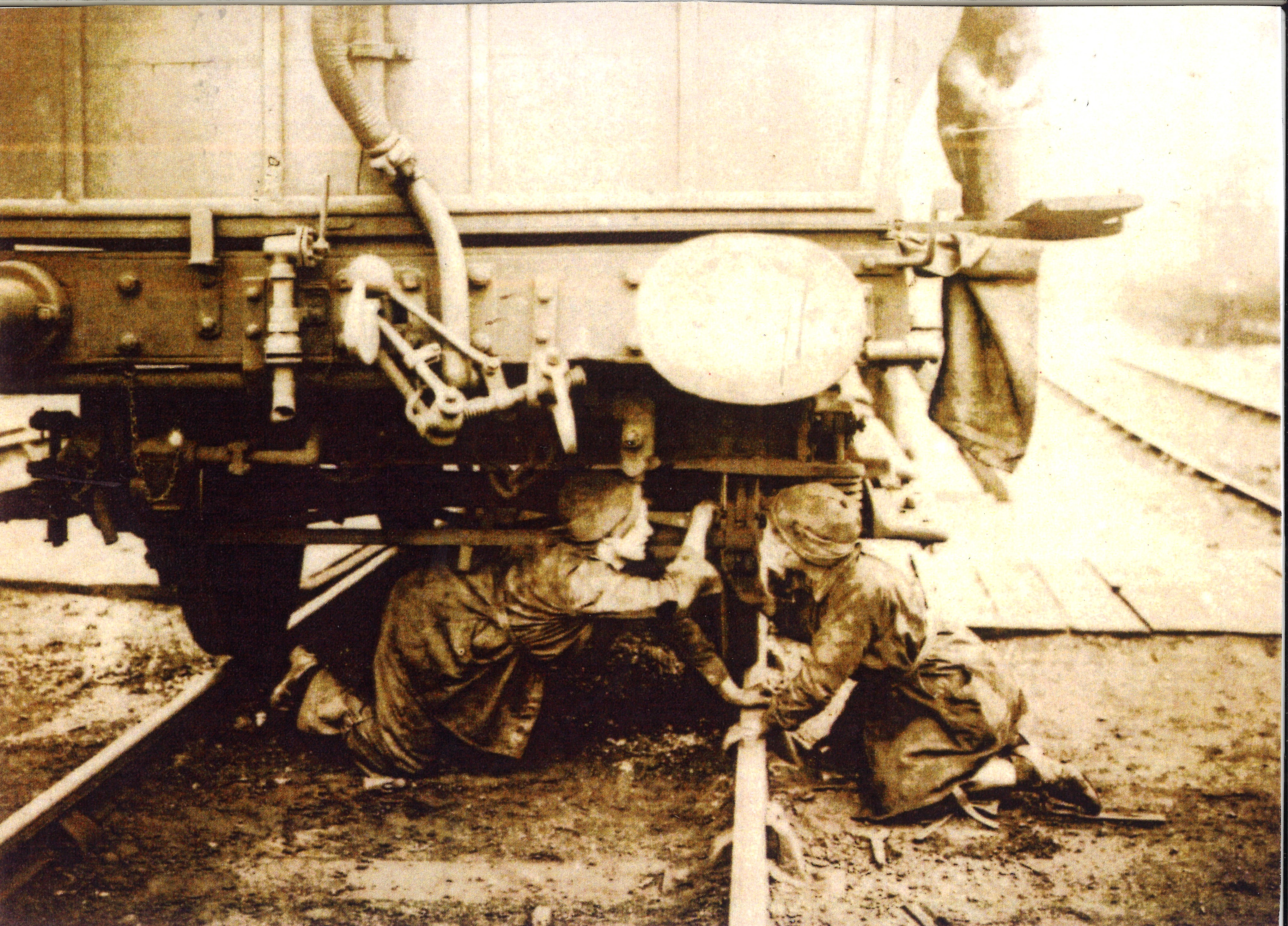
Railway jobs where sought out by women who were used to working in laundries enduring unhealthy, cramped and painful conditions for hours on end. Or they were domestic servants where conditions where not much better. In railway work women could get air from working outdoors, the jobs weren’t stationery so they could move freely with a sense of responsibility.
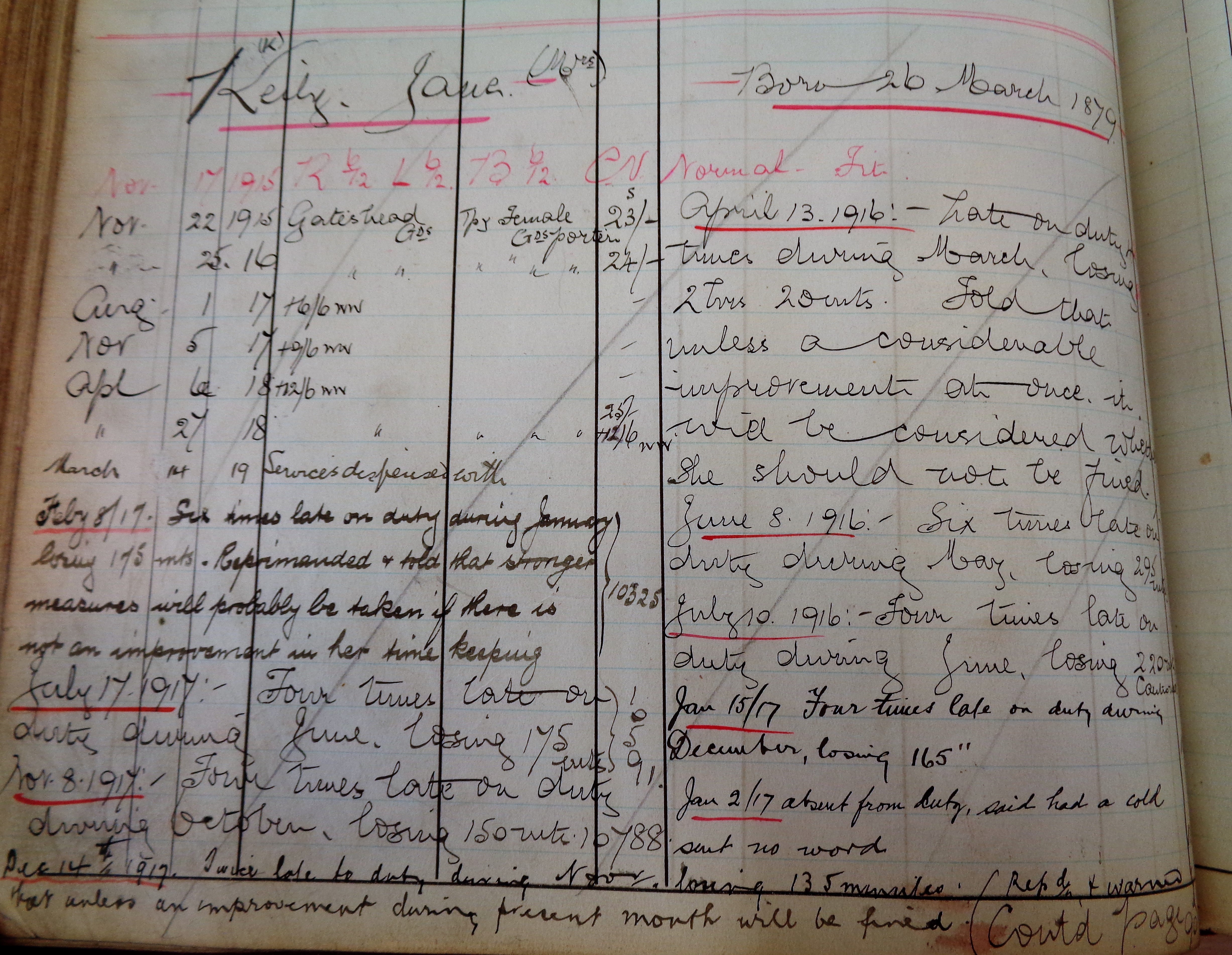
Many women were taking the place of their husbands who had gone to fight. In the N.E.R staff history books there are many examples of women being late on duty time and time again. This maybe because they had children and housework to see too as well.
As for the female clerks they were the face of this new female-in-the-workplace ‘epidemic’. They were talked about in the N.E.R magazines and they really did bear the brunt of hostilities. For example, any mention of a woman in the workplace is entirely connected to how she looks, what she’s wearing, even how she moves.
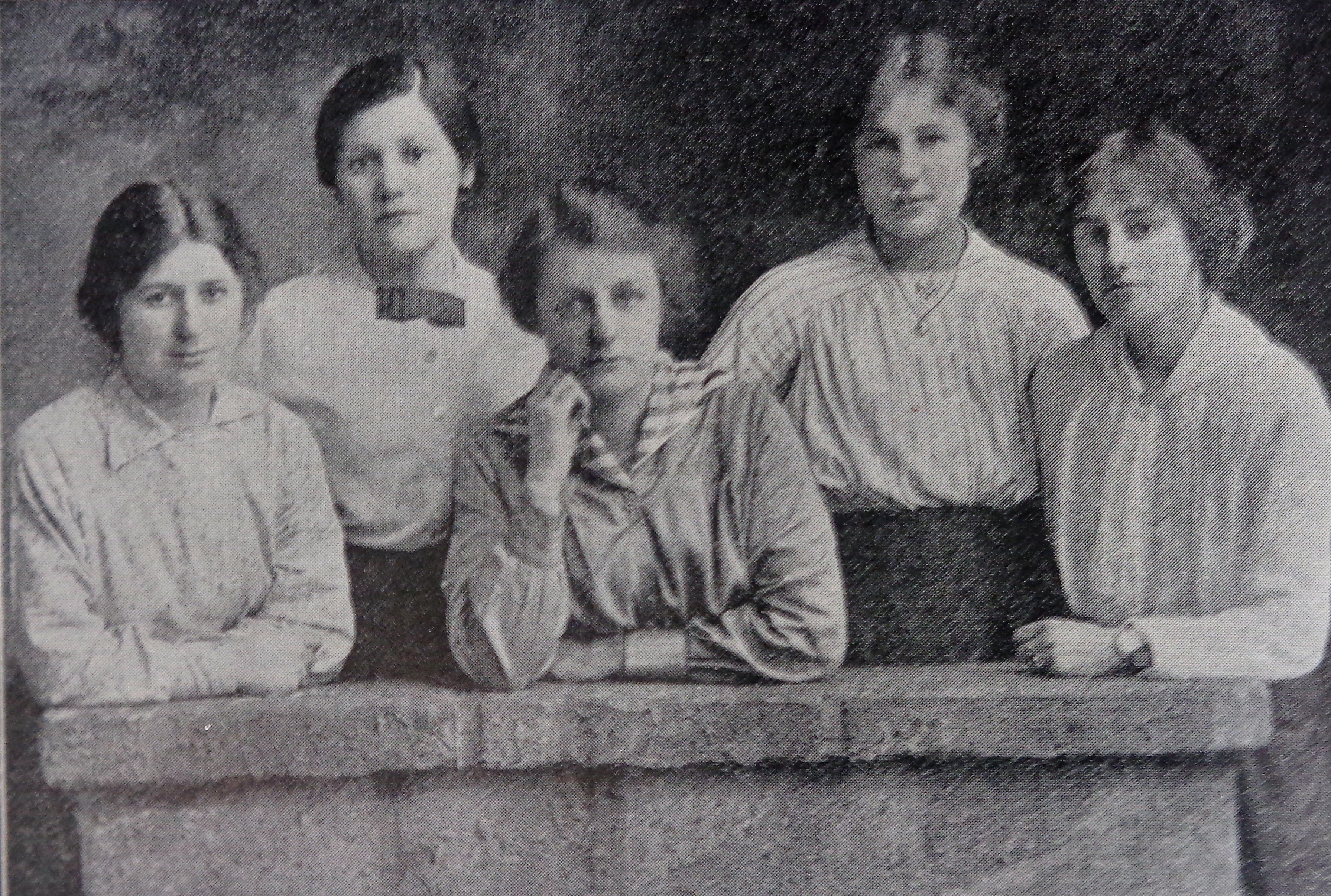
The female workforce helped to challenge society’s perception on women.
From November to January 2018 the exhibition Vote:100 was displayed at Head of Steam Darlington Railway Museum. The exhibition looked into women who worked on the Railway and how they where treat.
 Tees Valley Museums
Leave a comment